

standing makeup mirror with lights
The Importance of a Large Welding Table in Metal Fabrication In the world of metal fabrication, precision and efficiency are critical. Whether working on small repairs or large structural components, having the right workspace can significantly affect the quality of the outcome. One of the most essential pieces of equipment for welders is the welding table, particularly a large welding table. This article delves into the many reasons why investing in a large welding table is imperative for any metal fabrication workshop. Enhanced Work Surface Area The most obvious advantage of a large welding table is the increased work surface area it provides. Traditional tables may restrict the size of projects you can undertake while cramping your workspace. A large welding table accommodates larger components and enables you to spread your tools and materials without clutter. This expanded space allows welders to work more freely, enhancing productivity and minimizing the risk of errors. Improved Stability and Safety Welding involves high heat and heavy materials, making stability a key concern. A larger welding table typically has a sturdier construction, with a solid base that ensures the table remains steady even when working with heavy metals. This stability not only ensures the quality of welds but also contributes to the safety of the workspace. A well-built large welding table is less likely to tip or wobble, reducing the risks of injuries associated with unstable work surfaces. Flexibility in Project Size and Scope Another significant benefit of having a large welding table is the flexibility it affords. Metal fabrication projects can vary enormously in size and complexity. When you have a large workspace, you're not limited to smaller projects; you can easily transition from working on intricate components to large structural pieces. This versatility is especially advantageous for businesses that handle a diverse array of projects, allowing them to scale operations up or down as needed. large welding table Versatile Clamping Systems Many large welding tables come equipped with sophisticated clamping systems and fixtures. These systems allow welders to secure workpieces in various configurations, ensuring optimal angles and alignment during the welding process. A well-designed clamping system can hold materials tightly in place, allowing for precise alignments and enhancing the quality of welds. Moreover, the ability to easily adjust or change setups saves time, allowing welders to focus on their craft rather than on constant adjustments. Enhanced Workflow Management The layout of a large welding table can also facilitate better workflow management. With ample space, welders can design their workstations to keep tools and materials organized and within arm's reach. This organization minimizes the time lost searching for tools and enhances overall efficiency. An organized workspace encourages better practices and can lead to a more streamlined operation overall. Durability and Longevity Large welding tables are often constructed from heavy-duty materials designed to endure the rigors of welding work. Stainless steel or high-strength alloys are commonly used, providing not just strength but also resistance to the intense conditions of welding, such as heat and spatter. This durability ensures that you won't need to replace your welding table frequently, making it a wise long-term investment for any shop. Conclusion In summary, a large welding table is not just a luxury; it is an essential investment for any serious metal fabricator. The benefits of increased workspace, improved stability, versatility in project sizes, enhanced workflow management, and long-term durability can vastly improve the quality and efficiency of welding operations. As metal fabricators strive for excellence in their craft, having the right equipment – including a large welding table – is crucial for achieving superior results. Investing in the right tools ultimately pays off, not just in the final product but also in the day-to-day operations of any fabrication business. With a large welding table, welders can concentrate on what they do best creating high-quality metalworks that stand the test of time.
about
standing makeup mirror with lights
Understanding Precision Frame Level in Data Analysis In the realm of data analysis, precision is a critical concept that significantly influences the quality of insights derived from datasets. Among various analytical frameworks, precision frame level has emerged as a vital measure for determining accuracy and reliability in data-driven decisions. This article delves into the intricacies of precision frame level, highlighting its importance, applications, and implications in contemporary data analysis. Defining Precision Frame Level At its core, precision frame level refers to the accuracy of a set of data points within a specific frame or context. It reflects how closely a given dataset approximates the true values of the parameters being measured. This level of precision is crucial for analysts who rely on data to make informed decisions, as it directly impacts the credibility of the results obtained. In a statistical sense, precision can be quantified using various metrics, including confidence intervals, p-values, and standard deviations, each providing insight into the robustness of the data. Importance of Precision in Data Analysis Precision is fundamental for two main reasons reliability and trust. Firstly, data-driven decisions are often premised on the assumption that the information being analyzed is accurate. High precision ensures that analysts can rely on the data, leading to more sound conclusions. For example, in fields such as healthcare, financial forecasting, or machine learning, even minor discrepancies can result in significant consequences, such as misdiagnoses or erroneous financial predictions. Secondly, the level of precision affecting stakeholder trust cannot be overstated. When organizations present findings based on imprecise data, they risk losing credibility. This is particularly critical in industries like pharmaceuticals, where the efficacy of a drug must be supported by precise data to gain regulatory approval. Applications of Precision Frame Level precision frame level Precision frame level is applicable across numerous fields, including social sciences, engineering, and marketing. In social sciences, researchers employing surveys must focus on refining their questions to ensure high precision in the responses collected, thereby guaranteeing that the analysis closely mirrors public sentiment or behavior. In engineering, precision frame level becomes vital when designing systems that require exact measurements, such as aerospace components or medical devices. The reliability of these systems hinges on the precision of their design data. In the marketing domain, companies increasingly depend on consumer data analytics to tailor their strategies. By ensuring high precision in their data collection and analysis processes, they can create more effective and targeted marketing campaigns, ultimately enhancing consumer engagement and satisfaction. Challenges to Achieving High Precision Despite its importance, achieving high precision frame levels is not without challenges. Sampling errors, biases in data collection, and computational limitations can all undermine the precision of data. Moreover, the more complex the data, the harder it becomes to maintain a high level of precision. This necessitates a multi-faceted approach to data management that includes careful study design, robust statistical methods, and continual data validation. Conclusion In summary, precision frame level is a pivotal measure in data analysis that dictates the reliability of insights derived from datasets. By understanding its significance and striving for precision, analysts can enhance the quality of their findings, boost stakeholder confidence, and drive informed decision-making. As the volume of data continues to grow, so too does the importance of precision, making it a cornerstone of effective data analysis practices. Emphasizing accuracy and reliability will shape the future of data-driven decision-making in a world increasingly reliant on precise information.
-

High quality industrial productsagement

High quality industrial products
View Details -

Meet the diverse needs of customers

Meet the diverse needs of customers
View Details -

Strict quality control

Strict quality control
View Details -

Top raw materials

Top raw materials
View Details -

Trusted supplier

Trusted supplier
View Details
Our application

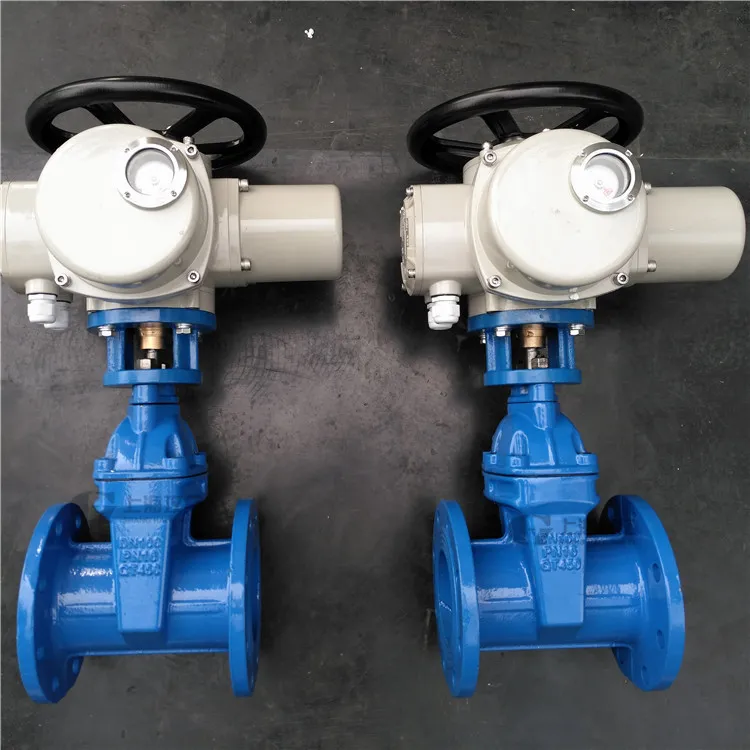

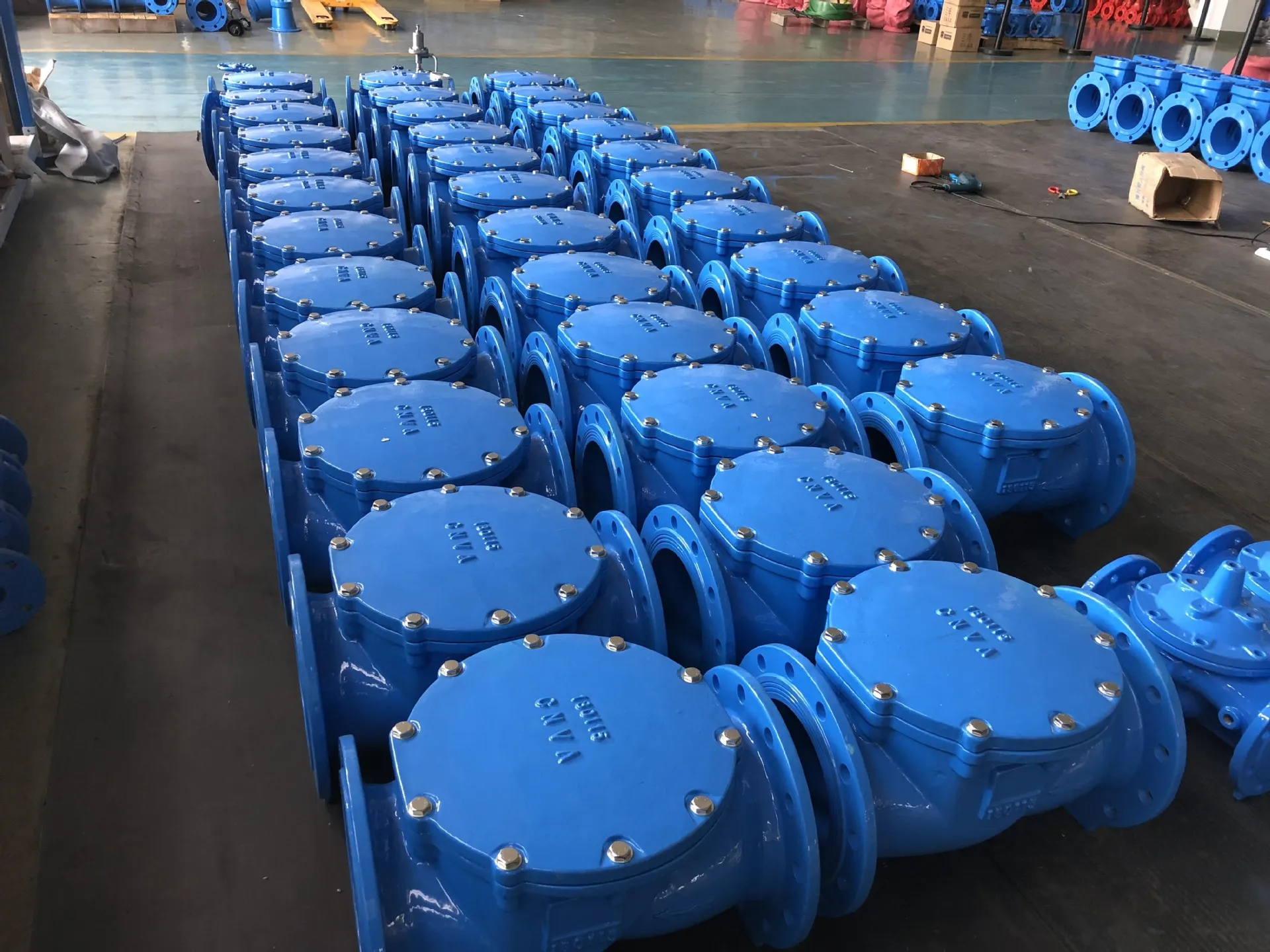
news and information

Using a Level Ruler for Accurate Measurements and Alignment in DIY Projects
The Importance of a Spirit Level Ruler in Construction and DIY Projects A spirit level ruler is an i
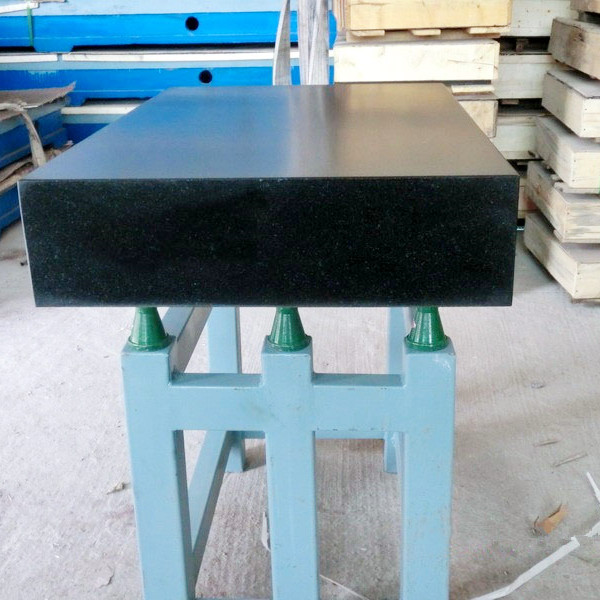
Water Valve Types And Their Delivery Times
Water valves play a crucial role in managing water flow within your home or industrial system. Wheth
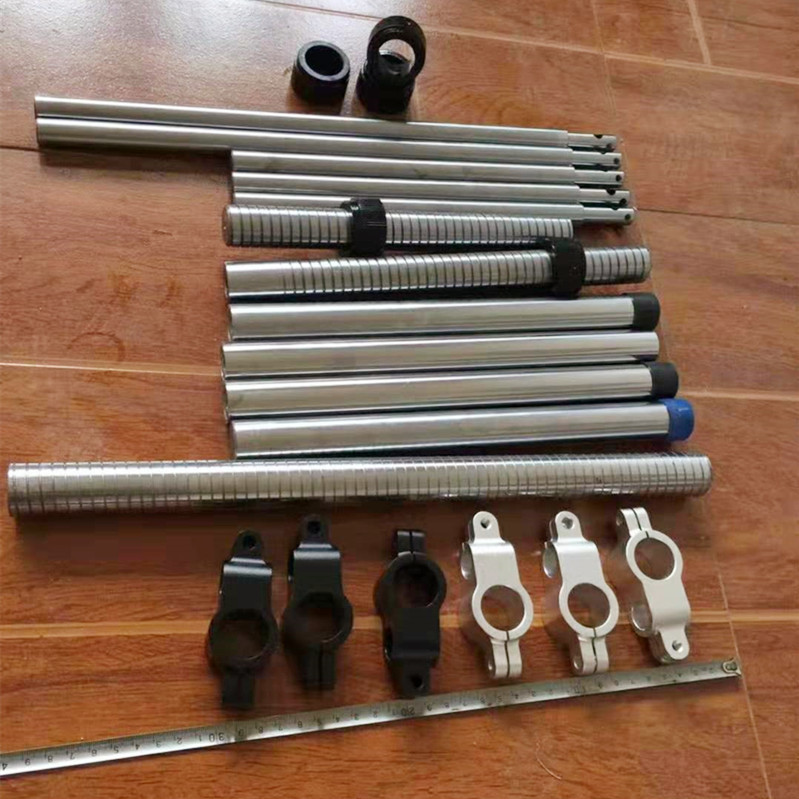
welding workbench
The Welding Workbench Essential Equipment for Metal Fabrication Welding is a fundamental process in
 English